Aquatic Consulting: Optimizing Your Pond's Health and Growth
- Andrew Kelly
- 13 hours ago
- 4 min read

Ponds are not just beautiful additions to landscapes; they are ecosystems that require careful management to thrive. Whether you own a small backyard pond or manage a larger aquatic system, understanding how to maintain and enhance its health is crucial. This blog post will explore the essential aspects of aquatic consulting, focusing on optimizing your pond's health and growth.
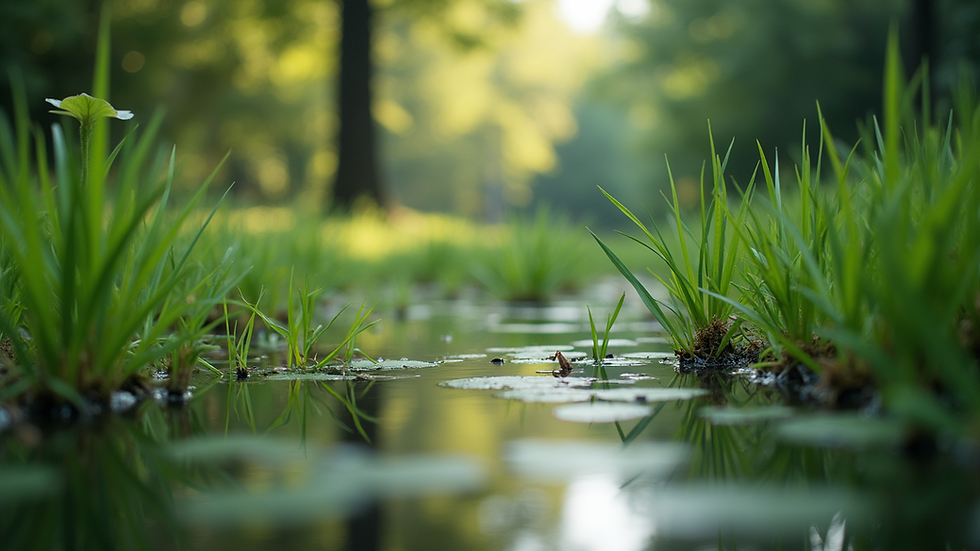
Understanding Your Pond Ecosystem
The Importance of Biodiversity
A healthy pond is a diverse pond. Biodiversity contributes to the stability of the ecosystem, allowing it to withstand changes and stresses. Here are some key components of pond biodiversity:
Aquatic Plants: These provide oxygen, shelter, and food for various organisms. Common plants include water lilies, cattails, and duckweed.
Fish Species: Fish play a vital role in controlling insect populations and maintaining the balance of the ecosystem. Popular choices for ponds include goldfish, koi, and native species.
Microorganisms: Bacteria and other microorganisms break down organic matter, helping to keep the water clean and clear.
Assessing Water Quality
Water quality is a critical factor in the health of your pond. Regular testing can help you monitor key parameters:
pH Levels: Most aquatic life thrives in a pH range of 6.5 to 8.5.
Dissolved Oxygen: Essential for fish and other aquatic organisms, levels should be above 5 mg/L.
Nutrient Levels: Excess nutrients, particularly nitrogen and phosphorus, can lead to algal blooms, which deplete oxygen and harm aquatic life.
Common Pond Problems and Solutions
Algal Blooms
Algal blooms can quickly turn a beautiful pond into a green, murky mess. They can be caused by excess nutrients, warm temperatures, and stagnant water. Here are some strategies to manage algal blooms:
Reduce Nutrient Input: Limit fertilizer runoff from nearby lawns and gardens.
Increase Water Circulation: Installing a fountain or aerator can help keep water moving and reduce stagnation.
Introduce Beneficial Bacteria: These can help break down organic matter and compete with algae for nutrients.
Invasive Species
Invasive species can disrupt the balance of your pond's ecosystem. Common invaders include:
Water Hyacinth: This floating plant can cover the surface of the water, blocking sunlight and depleting oxygen.
Asian Carp: These fish can outcompete native species for food and habitat.
To manage invasive species, consider the following:
Regular Monitoring: Keep an eye on your pond for any signs of invasive plants or animals.
Manual Removal: For small infestations, hand-pulling or netting can be effective.
Consult Professionals: In severe cases, hiring an aquatic consultant may be necessary to develop a management plan.
Enhancing Pond Health
Planting Native Vegetation
Incorporating native plants into your pond can enhance its health and aesthetics. Native plants are adapted to local conditions and provide habitat for wildlife. Consider planting:
Reeds and Grasses: These can stabilize the shoreline and reduce erosion.
Flowering Plants: Species like blue flag iris and swamp milkweed attract pollinators and add beauty.
Regular Maintenance
Regular maintenance is essential for a healthy pond. Here are some tasks to include in your routine:
Debris Removal: Regularly remove leaves, branches, and other debris to prevent decay and nutrient buildup.
Water Level Management: Ensure your pond maintains a consistent water level to support aquatic life.
Seasonal Cleanouts: At least once a year, consider a thorough cleanout to remove excess sediment and organic material.
The Role of Aquatic Consulting
What is Aquatic Consulting?
Aquatic consulting involves working with professionals who specialize in the management and enhancement of aquatic ecosystems. These experts can provide valuable insights and services, including:
Water Quality Testing: Regular monitoring and analysis of water quality parameters.
Ecosystem Assessment: Evaluating the health of your pond and identifying areas for improvement.
Management Plans: Developing tailored strategies to address specific issues and enhance overall pond health.
Benefits of Hiring an Aquatic Consultant
Engaging an aquatic consultant can lead to significant improvements in your pond's health. Here are some benefits:
Expert Knowledge: Consultants bring specialized knowledge and experience to address complex issues.
Customized Solutions: They can develop tailored management plans based on your pond's unique characteristics.
Time Savings: Managing a pond can be time-consuming. Hiring a consultant allows you to focus on enjoying your pond rather than worrying about its upkeep.
Case Studies: Successful Pond Management
Case Study 1: Residential Pond Restoration
A homeowner in a suburban area noticed that their pond had become overrun with algae and invasive plants. They hired an aquatic consultant who conducted a thorough assessment and developed a management plan. Key actions included:
Reducing Nutrient Input: The consultant recommended changes to the homeowner's landscaping to minimize runoff.
Introducing Native Plants: They planted native vegetation along the shoreline to improve habitat and reduce erosion.
Regular Monitoring: The consultant established a schedule for water quality testing and maintenance.
As a result, the pond's health improved significantly, with clearer water and a more diverse ecosystem.
Case Study 2: Community Pond Enhancement
A local community wanted to enhance a public pond for recreational use. They partnered with an aquatic consulting firm to create a comprehensive management plan. Key initiatives included:
Community Education: Workshops were held to educate residents about pond ecology and maintenance.
Habitat Creation: The team installed fish habitats and nesting areas for birds.
Regular Events: Community clean-up days were organized to engage residents in the ongoing care of the pond.
The project not only improved the pond's health but also fostered a sense of community ownership and pride.
Conclusion
Optimizing your pond's health and growth is a rewarding endeavor that requires knowledge, effort, and sometimes professional assistance. By understanding your pond's ecosystem, addressing common problems, and considering the benefits of aquatic consulting, you can create a thriving aquatic environment. Whether you are a homeowner or a community leader, taking proactive steps will ensure your pond remains a beautiful and healthy part of your landscape for years to come.
As you embark on your pond management journey, remember that every small action contributes to the overall health of your aquatic ecosystem. Consider reaching out to an aquatic consultant to get started on the path to a healthier pond today.


Comments